

Most landlords begin their journey expecting stable income and minimal involvement. Yet many quickly discover that traditional renting comes with a long list of unexpected costs that slowly reduce profits year after year. These expenses are rarely discussed when a landlord first hands over the keys, but they significantly impact net income and long-term return on investment.
The rise of company lets across the UK is no coincidence. As the market becomes more regulated and margins tighten, landlords are seeking a safer, more predictable alternative. A company let offers stability, guaranteed income, and a hands-off experience that removes the majority of financial risks associated with standard tenants.
This article breaks down the real hidden costs landlords face — and how a company let agreement eliminates each one.
Void Periods
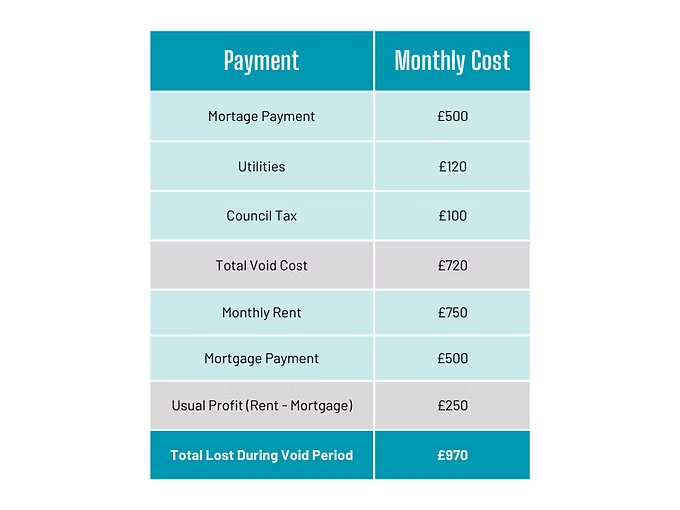
Void periods are often the single biggest threat to consistent rental income. A property sitting empty for even one month can wipe out a landlord’s profit for the entire quarter. Voids occur for numerous reasons: tenant turnover, slow winter markets, poor-quality applicants, or delays with agents. During this time, the landlord still covers council tax, utilities, and mortgage payments without any income to offset them.
A company let removes this problem entirely. The landlord receives a fixed monthly rent for the duration of the agreement, regardless of occupancy levels or seasonal fluctuations. There are no gaps, no delays, and no unpredictable income dips — just a consistent payment every month.
Tenant Turnover and the Costs Nobody Calculates
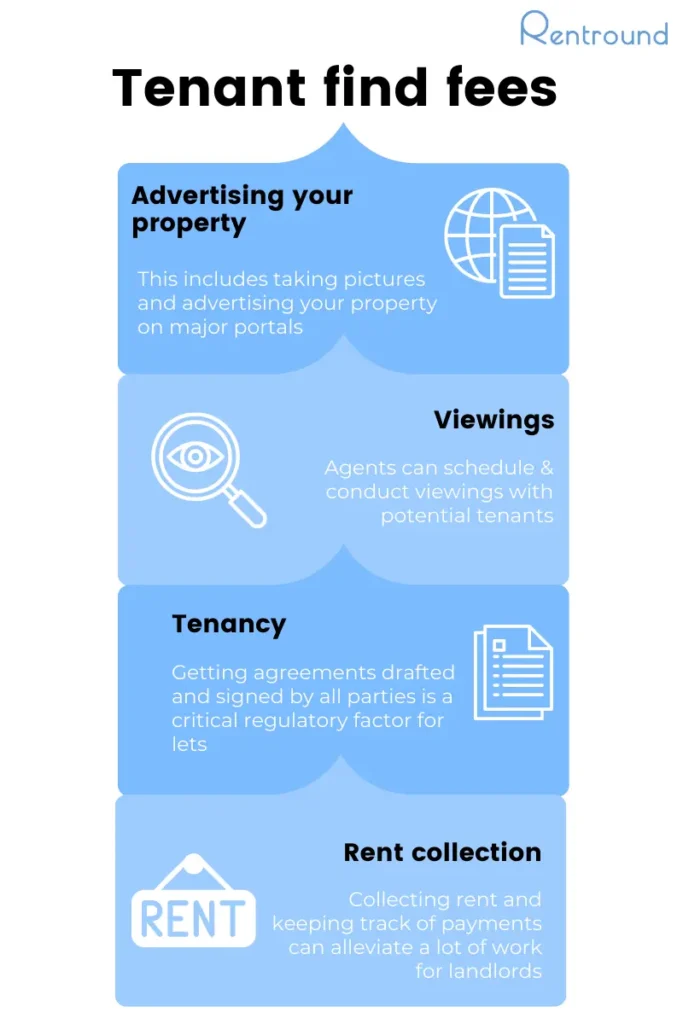
When a tenant moves out, the real costs begin. Many landlords underestimate how expensive the transition between tenants truly is. Tenant-find fees, referencing, marketing, inventories, cleaning, and void periods combine into a cycle of recurring expenses that erode annual returns. Even the time spent conducting viewings or waiting for an agent to replace a tenant has a financial impact.
With a company let, turnover becomes irrelevant. The agreement typically lasts three to five years, during which the landlord pays no agency fees, no remarketing charges, and faces no unpredictable tenant changes. The property remains in long-term occupancy without interruption.
Rent Arrears: A Risk That Never Goes Away
Even with strict vetting, traditional tenants can fall behind on rent. Job loss, personal circumstances, or economic instability can quickly create arrears. Recovering missed payments often requires legal action, which is costly, time-consuming, and mentally draining.
Under a company let, arrears are removed from the equation. The landlord receives the agreed rent every month, on time, without exception. The operator absorbs the financial risk, not the landlord. This transforms the investment from uncertain to guaranteed.
Maintenance and Wear: The Gradual Decline of a Property
Every tenancy comes with wear and tear, but the deterioration can accelerate when issues are not reported promptly. Small leaks become major repairs, appliances fail sooner, and decor deteriorates faster when the property is not proactively managed. End-of-tenancy refurbishments — repainting, new carpets, repairs — often cost far more than landlords anticipate.
Company let operators adopt a commercial approach to maintenance. Regular inspections, professional cleaning schedules, and preventative upkeep ensure the property remains in excellent condition throughout the agreement. Minor issues are addressed immediately, reducing long-term costs and preserving asset value.

Compliance and Legal Responsibilities: Increasing Pressure on Landlords
Landlord compliance today is more complex than ever. Electrical certificates, gas safety checks, EPC requirements, fire regulations, HMO standards, deposit schemes, right-to-rent checks, and GDPR rules all sit on the landlord’s shoulders. Missing a requirement can lead to significant fines or legal complications.
A company let dramatically reduces this burden. The operator ensures the property is maintained to the correct standard and compliant with relevant regulations. Routine checks are managed internally, and the landlord avoids the administrative load and potential penalties.

Time: The Most Overlooked Expense in Property Management
Financial costs are easy to calculate, but the time a landlord spends managing a property is rarely accounted for. Messages, maintenance coordination, disputes, inspections, emergency callouts, and general administration all demand attention. Over a year, this can amount to hundreds of hours — time that many landlords would prefer to spend elsewhere.

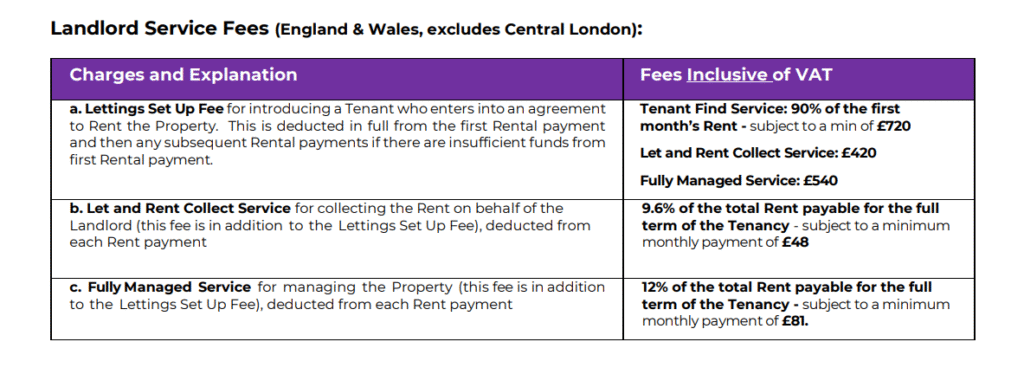
Time is your biggest asset — but even when you use a property management company, the very first thing landlords run into is the long list of initiation and onboarding fees that quietly drain profit before a tenant even moves in.
Most agents advertise a simple monthly management percentage, but what they don’t highlight upfront are the setup charges layered behind it. Landlords often face:
- Onboarding/setup fees just to get the property onto their system.
- Tenant-find or marketing fees, even if you’re already paying for full management.
- Inventory and check-in fees, which you’ll pay again when tenants change.
- Tenancy agreement drafting fees, renewal fees, and sometimes even referencing costs.
- Compliance onboarding costs — arranging safety certificates, inspections, or works, usually at mark-up.
By the time the first month’s rent comes in, landlords realise they’ve already spent hundreds — sometimes thousands — just to get started. And none of these fees protect against future voids, maintenance bills, or rental arrears. They’re simply the cost of “getting in the door.”
A company let returns this time to the landlord. Management becomes entirely hands-off. The operator handles communication, maintenance, occupancy, compliance, and day-to-day operations. The landlord simply receives rent each month.
Why More Landlords Are Choosing Company Lets
When comparing the two models, the difference in financial stability becomes clear. Traditional renting is unpredictable, often costly, and increasingly regulated. A company let offers long-term certainty, fixed income, and minimal involvement.
Landlords who switch often remark that their property finally becomes the passive investment they originally intended it to be.
A Simpler, Safer, More Predictable Way to Let Your Property
Company lets provide landlords with:
- Guaranteed rent for the duration of the agreement
- Zero void periods
- No tenant-related issues or arrears
- Reduced maintenance liabilities
- Full management and compliance oversight
- Long-term protection of the property
For landlords looking to safeguard income and remove the stress of management, a company let is one of the most reliable solutions available today.